
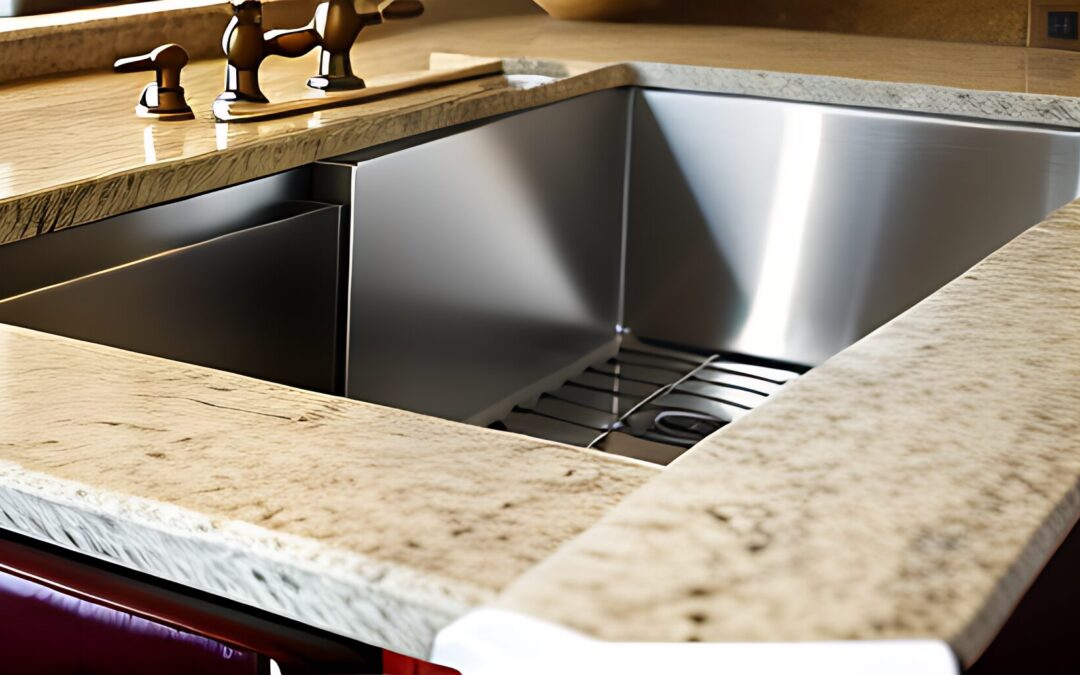
A Comprehensive Guide to Solving Common Kitchen Sink Issues and Clogs
A clogged kitchen sink can be one of the most frustrating and inconvenient household issues. Whether it’s a slow drain or a completely blocked sink, a clog can disrupt your daily routine and even lead to more severe plumbing problems if not addressed promptly. Fortunately, most kitchen sink clogs can be fixed using a variety of DIY techniques and basic tools. This guide will help you understand the common causes of kitchen sink clogs, provide step-by-step instructions to resolve them, and share tips to prevent future blockages.
Common Causes of Kitchen Sink Clogs
Kitchen sink clogs are usually caused by the accumulation of food particles, grease, and other debris. Understanding these causes can help you take preventive measures and avoid future blockages.
1. Grease and Fat Buildup
One of the most common culprits of kitchen sink clogs is grease and fat. When hot grease or oil is poured down the drain, it cools and solidifies, forming a thick coating on the inside of the pipes.
2. Food Waste
Food particles, especially fibrous or starchy items like potato peels, pasta, and rice, can accumulate in the drain and cause blockages.
3. Soap Scum
Soap residue, combined with minerals in hard water, can create a sticky buildup that narrows the pipes and traps other debris.
4. Foreign Objects
Small items like utensils, bottle caps, or sponges can accidentally fall into the drain, causing a clog.
5. Clogged P-Trap
The P-trap, a U-shaped pipe under the sink, is designed to catch debris and prevent it from going further into the plumbing system. Over time, it can become clogged with grease, food particles, and other debris.
How to Fix a Clogged Kitchen Sink
There are several methods to unclog a kitchen sink, ranging from simple home remedies to more advanced techniques. Below are step-by-step instructions for each method.
Method 1: Using a Plunger
A plunger is often the first tool you should try when dealing with a clogged kitchen sink.
Steps:
- Clear the Sink:
- Remove any standing water and debris from the sink.
- Seal the Drain:
- If your sink has a double basin, plug the drain of the other basin with a wet cloth or stopper to create an airtight seal.
- Place the Plunger:
- Position the plunger over the clogged drain, ensuring it covers the entire opening.
- Plunge Vigorously:
- Push and pull the plunger rapidly for about 20-30 seconds.
- Check the Drain:
- Lift the plunger to see if the water drains. Repeat the process if necessary.
- Test the Drain:
- Run hot water to check if the clog is cleared.
Method 2: Using Baking Soda and Vinegar
This natural and chemical-free solution can be effective for minor clogs caused by grease and food residue.
Steps:
- Boil Water:
- Bring a pot of water to a boil and pour it down the drain.
- Add Baking Soda:
- Pour 1/2 cup of baking soda into the drain.
- Add Vinegar:
- Pour 1 cup of white vinegar down the drain. The mixture will fizz and bubble, helping to break up the clog.
- Wait:
- Allow the mixture to sit for 15-20 minutes.
- Flush with Hot Water:
- Pour another pot of boiling water down the drain to flush away the debris.
Method 3: Using a Drain Snake (Plumber’s Snake)
A drain snake is a flexible, coiled tool that can reach deep into the pipes to remove stubborn clogs.
Steps:
- Insert the Snake:
- Remove the sink stopper and insert the snake into the drain.
- Feed the Snake:
- Gently push the snake further into the pipe until you encounter resistance (the clog).
- Break Up or Retrieve the Clog:
- Rotate the handle of the snake to break up the clog or hook it and pull it out.
- Remove the Snake:
- Slowly retract the snake, bringing the debris out with it.
- Flush the Drain:
- Run hot water to ensure the clog is cleared.
Method 4: Cleaning the P-Trap
If the clog is located in the P-trap, cleaning it manually can resolve the issue.
Steps:
- Turn Off the Water Supply:
- Shut off the water supply to the sink to prevent any leaks.
- Place a Bucket Under the P-Trap:
- Place a bucket or bowl under the P-trap to catch any water or debris.
- Remove the P-Trap:
- Unscrew the nuts holding the P-trap in place and remove it.
- Clean the P-Trap:
- Remove any debris, grease, or food particles inside the P-trap.
- Reassemble the P-Trap:
- Reattach the P-trap and tighten the nuts securely.
- Test the Drain:
- Run water to ensure the clog is cleared.
Method 5: Using a Wet/Dry Vacuum
A wet/dry vacuum can be an effective tool for clearing stubborn clogs.
Steps:
- Set the Vacuum to Wet Mode:
- Remove the filter and set the vacuum to wet mode.
- Create a Seal:
- Cover the drain opening with a wet cloth or the vacuum attachment to create a tight seal.
- Vacuum the Clog:
- Turn on the vacuum and let it suck out the clog from the drain.
- Test the Drain:
- Run water to ensure the clog is cleared.
Method 6: Using Chemical Drain Cleaners
Chemical drain cleaners can dissolve clogs caused by grease and food particles. However, they should be used sparingly, as they can damage pipes over time.
Steps:
- Read the Instructions:
- Carefully read and follow the manufacturer’s instructions.
- Pour the Cleaner:
- Pour the recommended amount of cleaner into the drain.
- Wait:
- Allow the cleaner to sit for the specified time.
- Flush with Water:
- Run hot water to flush the drain and clear the clog.
Preventing Future Kitchen Sink Clogs
Preventing clogs is easier and less stressful than dealing with them. Here are some tips to keep your kitchen sink draining smoothly:
1. Dispose of Grease Properly
Avoid pouring grease, fat, or oil down the drain. Instead, let it cool and dispose of it in the trash.
2. Use a Sink Strainer
Install a sink strainer to catch food particles and prevent them from going down the drain.
3. Avoid Overloading the Garbage Disposal
If you have a garbage disposal, avoid overloading it with large amounts of food waste. Feed small amounts gradually and run cold water while using it.
4. Run Hot Water Regularly
Flush the drain with hot water regularly to dissolve grease and soap scum.
5. Avoid Flushing Non-Food Items
Avoid putting non-food items like paper towels, coffee grounds, or eggshells down the sink.
When to Call a Professional
While many kitchen sink clogs can be resolved with DIY methods, some situations require professional assistance. Contact a plumber or handyman if:
- The clog persists despite multiple attempts to clear it.
- Water is backing up into other drains, indicating a more significant plumbing issue.
- There is a foul odor coming from the drain that won’t go away.
- The pipes under the sink are leaking or damaged.
At Sparrow Handyman Services, we specialize in unclogging kitchen sinks and resolving plumbing issues. If you’re in the Keller or Fort Worth area, don’t hesitate to reach out for professional, reliable service.
By following the steps outlined in this guide, you can effectively resolve most kitchen sink clogs and keep your sink in excellent working condition. Regular maintenance and preventive measures will help you avoid future clogs and maintain a clean, functional kitchen.
Get In Touch
Reach out to us for any handyman services you need. Simply fill out the form below with your details and a brief description of the service required. We’re here to help!